What Actually Happens When You Connect Your Bank to a Budget App
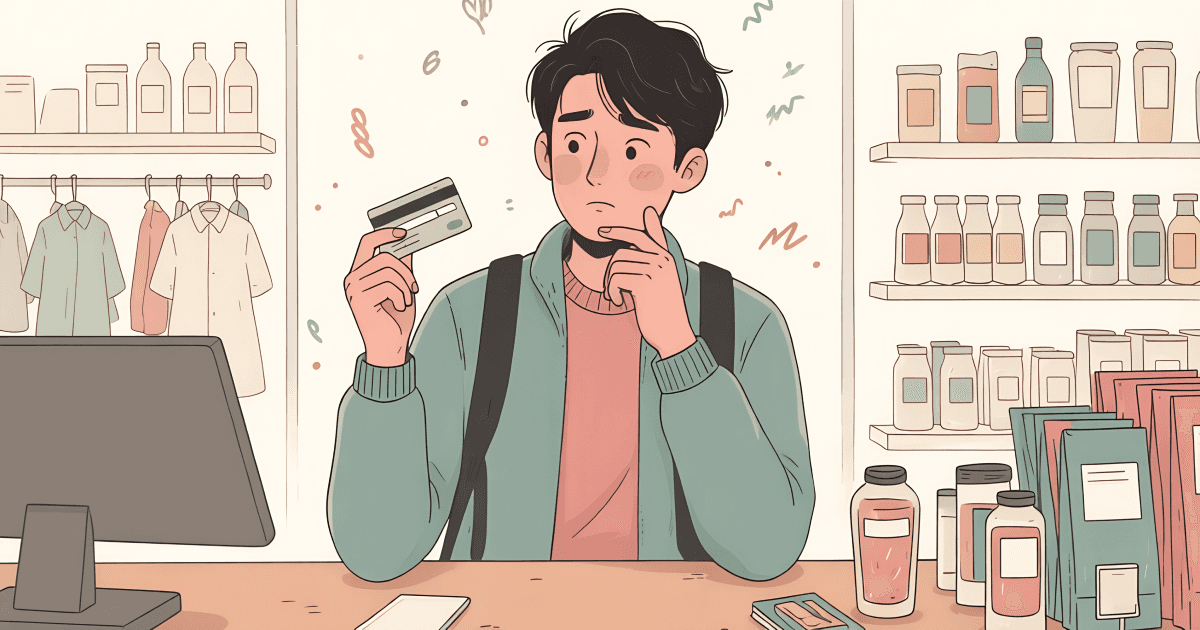
Most people who stop connecting their bank to a budget app don't make it a principled stand. It starts smaller than that.
The sync breaks, and they don't bother fixing it. They notice a charge from a company called "Plaid" that they never signed up for. They go to delete the app and wonder - does deleting the app actually delete their data? They start asking questions they didn't think to ask when they first tapped "Connect."
Here's what those people found - and why many of them never went back.
"I Had No Idea Plaid Was Involved"
When you connect your bank account to a budget app, the connection almost never goes directly to your bank. It routes through a third-party aggregator - most commonly a company called Plaid, which powers connections for thousands of apps, including YNAB, Monarch Money, Rocket Money, and many others.
For a long time, Plaid's interface was designed to look exactly like your bank's login screen - same logo, same colors, same layout. Many users had no idea a company called Plaid was involved at all. They thought they were logging into their bank.
This was the core of a class-action lawsuit that settled for $58 million in 2022. Post-settlement, Plaid now clearly shows its own branding during the connection process. But the trust damage for many people was already done, and the fundamental model still requires trusting a third party they never consciously agreed to work with.
"The Sync Kept Breaking"
For many people, the decision to stop connecting their bank is less about privacy and more about frustration. Bank sync simply doesn't work reliably.
Connections drop when banks update their security. Transactions come through duplicated. A restaurant gets tagged as "transport." A transfer between your accounts is treated as income. Every few weeks, a notification: "Reconnect your account."
It becomes a part-time job maintaining a tool that was supposed to save time. At some point, the math stops working - the inconvenience of managing the sync exceeds the inconvenience of just entering things yourself.
Manual entry doesn't break. There's no reconnect prompt. There's no need to wait for yesterday's transactions to sync.
"It Had Access to Way More Than I Needed to Give It"
When you connect through Plaid, a budgeting app that only displays your transactions may still have access to considerably more: your identity information, account numbers, investment holdings, and loan details.
Users rarely see a breakdown of exactly what data categories were shared. The app asks for a connection, you approve it, and the scope of access is buried in a terms document that almost nobody reads.
For those who noticed, it felt disproportionate. A tool to track coffee purchases didn't need to see their investment portfolio.
"Deleting the App Didn't Delete My Data"
This one surprises a lot of people. When you delete a budget app, you might assume that ends the relationship. It doesn't - not automatically.
Plaid maintains its own data retention policies separately from the apps that connect through it. Deleting the app stops new data from flowing in, but Plaid may still hold what it already collected until you separately request deletion through Plaid's own portal - a step most users never take because they don't know it exists.
For people who discovered this, it reframed what they thought they'd agreed to. The data doesn't belong to the app. It belongs to a chain of companies, each with its own retention rules.
"Manual Entry Actually Changed How I Spend"
Here's the thing almost nobody expects: for many people who switched to manual tracking, it worked better than the automated version.
When transactions import automatically, it's easy to scroll past them. You glance, you note the number, you move on. The spending already happened - reviewing it is passive.
When you type in a transaction yourself, you process it. The $14 parking fee. The third food delivery this week. The impulse buy you forgot about until now. Research consistently points to this as the "pause point" - the brief moment of friction that makes spending real rather than abstract. Studies suggest that awareness of manual tracking alone reduces unnecessary purchases by 10–15%.
People who switched didn't find they were spending more time on budgeting. They found they were spending it differently - actually engaging with their money rather than watching a dashboard fill up.
Budgetpeer is free to start. Upgrade for $4.99/month, $49/year, or $129 once for lifetime access. No bank login. BNPL installments land in the right months, with a reminder before each one is due. Download on the App Store →
The One Thing Automated Sync Still Can't Do
Even setting aside privacy concerns and sync reliability, there's a practical limitation that bank-connected apps haven't solved: they can't see your upcoming BNPL payments.
When you buy something on Afterpay, Klarna, or Affirm, your bank feed shows the first installment when it hits. The remaining payments, spread across future months, are invisible to any app that only reads what your bank already knows. The BNPL providers don't share upcoming payment schedules with aggregators.
So your budget looks accurate today, only to get blindsided every few weeks when another installment lands.
Manual tracking sidesteps this entirely. You enter the purchase once, split it into installments, and each one appears in the month it's actually due. For anyone using BNPL regularly, this is the clearest argument for manual entry that automated sync simply can't match - no matter how well the connection holds. If you want to understand exactly how to track those installments inside your budget, this guide covers the practical methods step by step.
What to Look For If You're Making the Switch
Not every manual budget app is worth your time. Here's what actually matters:
Fast entry. If adding a transaction takes more than a few taps, you won't do it consistently. The friction should be in the thinking, not the tapping.
BNPL support. If you use Afterpay, Klarna, Affirm, or any other installment service, you need an app that automatically splits a single purchase into multiple months. Doing it manually in a spreadsheet defeats the purpose.
No bank login required - ever. Some apps offer manual entry but still ask for bank credentials at some point in the signup flow. Look for one that never asks.
Your data stays yours. Check the privacy policy for language about third-party sharing. A truly privacy-first app should be explicit about what it collects and where it goes.
People don't usually quit bank-connected budget apps after reading an article about data privacy. They quit because the sync broke one too many times, or because something didn't sit right, or because they tried manual entry for a week and found it worked better than they expected.
The outcome is the same either way: a budget that's actually yours, built from transactions you chose to put there.
Sources
Senticmoney: Is Plaid Safe? What You Need to Know Before Sharing Bank Credentials
Plaid lawsuit, data access scope, retention after disconnectingComparitech: Is Plaid safe to use?
Plaid Trustpilot score, sync reliability complaintsPlan & Multiply: Budget App Without Bank Sync
Miscategorisation examples, manual tracking, and spending reduction statsBUDGT: How to Track Your Spending in 2026
10–15% spending reduction from manual tracking awarenessKoody: Budgeting App Without Bank Linking
Reasons people choose manual-first budgeting